CASE STUDY / HEALTHCARE
All case studiesFrom Scattered Clinic Requests to Tasks Tracked Inside the EHR
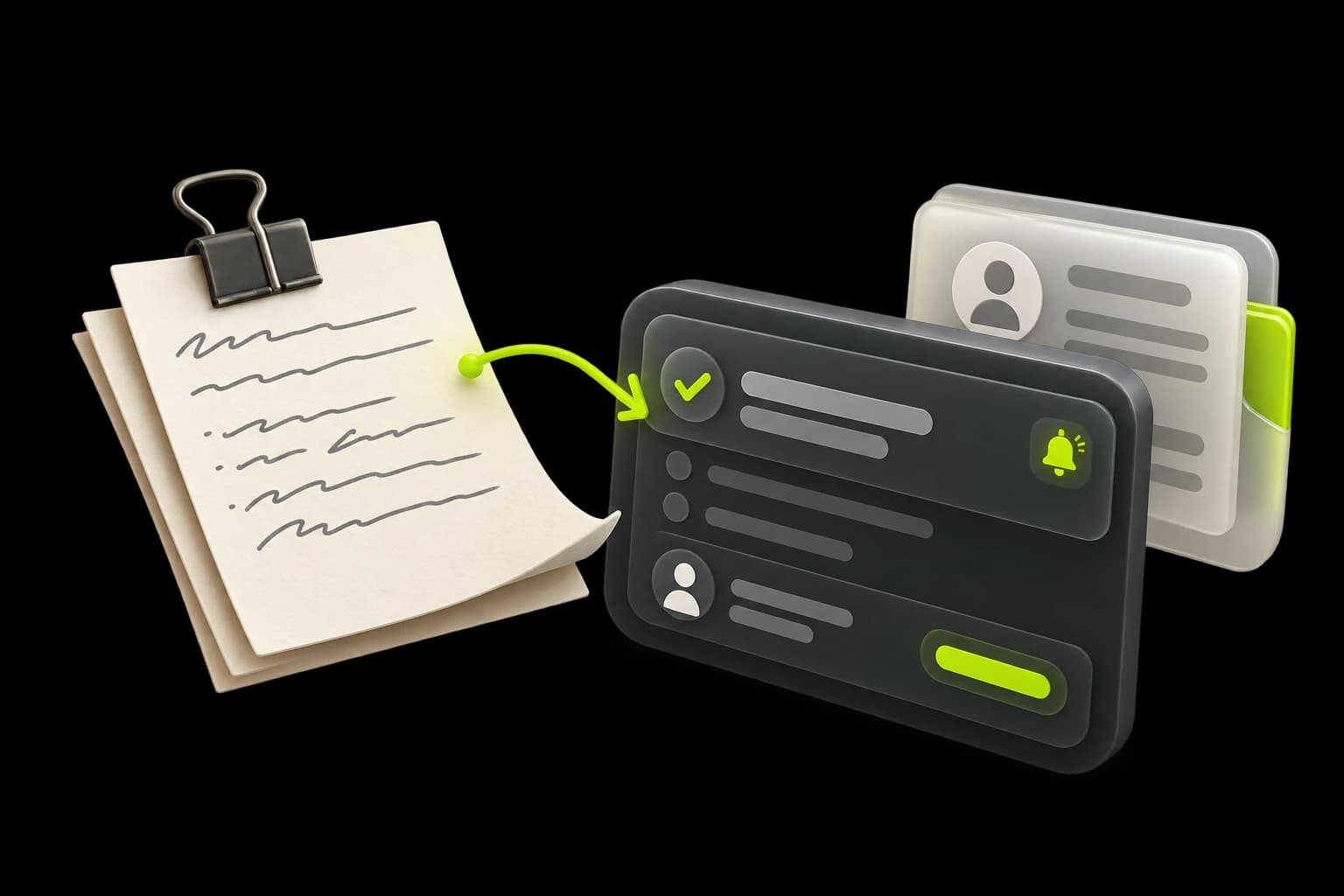
How a healthcare clinic replaced disconnected internal messages and follow-up notes with a centralized task management system integrated into its existing electronic health record.
01THE CHALLENGE
Important clinic tasks were scattered across inboxes, notes and individual employees.
In a busy healthcare clinic, not every important task is a clinical procedure. Someone needs to follow up on a patient-related request, respond to a colleague, complete an administrative action or coordinate the next step between teams.
When those responsibilities are managed through separate inboxes, personal notes and informal conversations, it becomes difficult to know what is outstanding, who owns it and whether it has been completed.
For one specialist healthcare clinic, this created unnecessary coordination work between clinical staff, assistants and administration.
We implemented an internal ticketing and communication system directly integrated into the clinic's existing electronic health record (EHR).
Employees can create patient-linked tasks, assign colleagues, communicate through internal notes, track progress and receive reminders for outstanding actions.
Instead of keeping operational follow-ups disconnected from the relevant patient record, the clinic now has a centralized way to coordinate and monitor internal work.
The clinic's daily operations required continuous coordination between different team members. Doctors, assistants and administrative employees needed to record follow-up requests, communicate about patient-related matters and ensure that outstanding actions were completed. But there was no central workflow connecting those responsibilities to the relevant patient records.
Internal requests were difficult to track. A colleague might send an email requesting a follow-up. Someone else might write down a task or pass along an instruction during a conversation. These methods worked for individual messages but created problems when the team needed to monitor the progress of outstanding work. Requests could be overlooked, misunderstood or left without a clear owner.
Patient context and operational communication were disconnected. Many internal tasks related to a particular patient. However, the instructions and communication surrounding those tasks could exist outside the patient's EHR record. Employees had to move between different communication channels and patient information to understand what needed attention. This made it harder to maintain a complete operational view of patient-related requests.
Responsibilities weren't consistently visible across the team. Without centralized task assignment and status tracking, employees couldn't easily see which requests had been assigned, which were pending and which required attention. Managers and team members also lacked a consolidated view of outstanding work across people and departments. An employee might understand their own responsibilities while still having limited visibility into tasks being handled elsewhere in the clinic.
Reminders and follow-ups depended too heavily on individuals. When someone was responsible for remembering an outstanding request, the process depended on personal notes, inbox management or manual follow-up. The clinic needed a more dependable way to surface unfinished tasks without relying on employees to continually check several communication channels. The objective was to make internal coordination part of the existing clinical workflow rather than introduce another disconnected tool.
02WHAT WE BUILT
A centralized internal task and communication system inside the existing EHR.
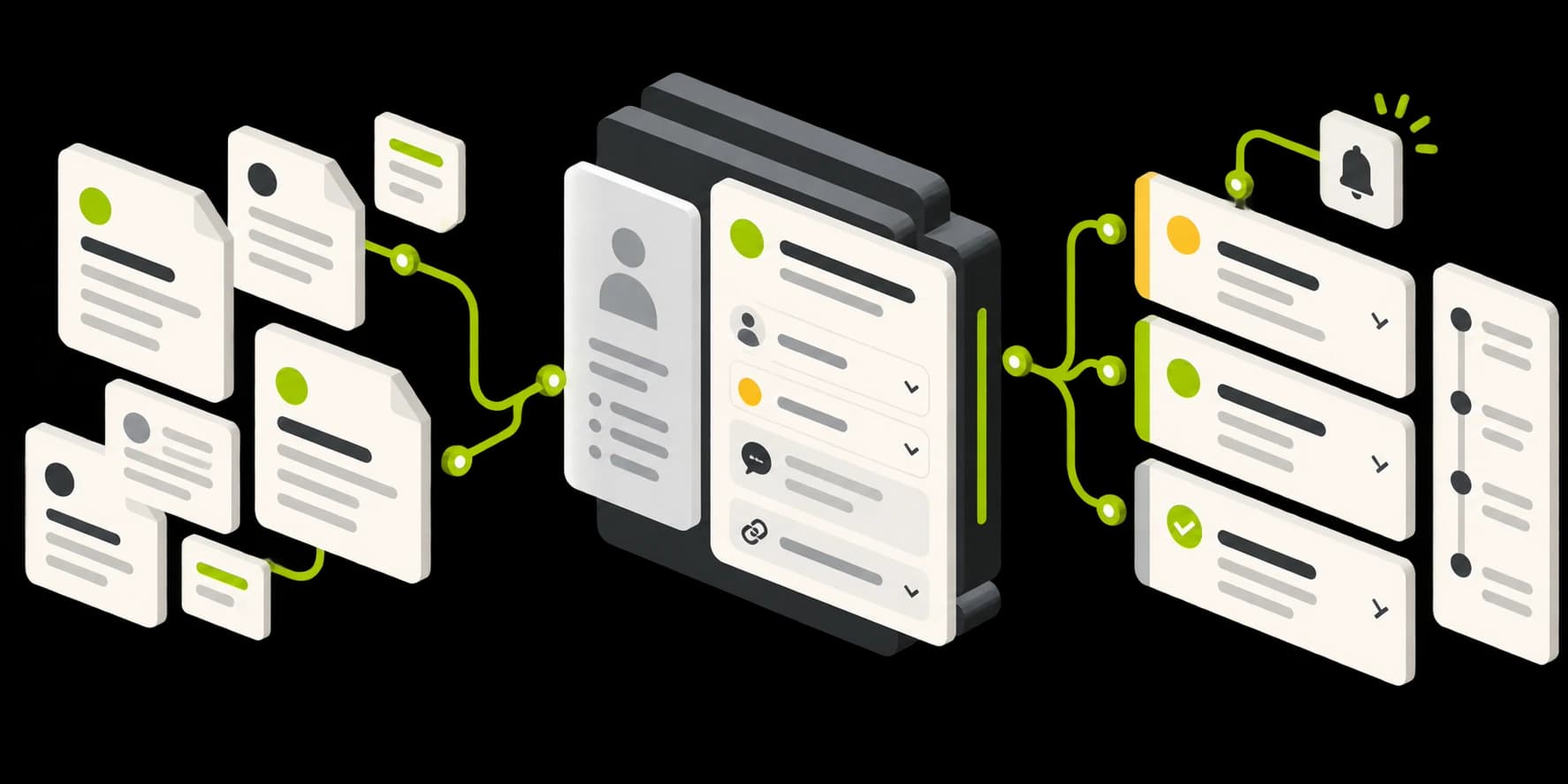
We implemented a custom ticketing and task management solution that connects patient-related requests, employee responsibilities and internal communication.
The system was integrated into the clinic's existing electronic health record so that staff could coordinate operational work in the context of relevant patient information.
Patient-linked tickets and to-do lists: Employees can create internal tickets and tasks associated with individual patient records. This keeps the operational request connected to the patient context it concerns. Rather than storing instructions only in a separate email or personal note, staff can track the relevant action through the EHR-integrated system.
Colleague assignments and internal communication: Tasks can be assigned to individual employees. Team members can add internal notes, mention colleagues and communicate about the work associated with a ticket. Status updates make it easier for the team to understand how a request is progressing. The system gives employees a shared location for task-related communication instead of scattering those exchanges across disconnected channels.
Priority, status and operational filters: We implemented structured task statuses and priority indicators to help employees distinguish routine requests from matters needing attention. The interface also supports filtering by relevant operational attributes, including status, urgency, location and role. These filters help team members focus on the work relevant to their responsibilities.
Automatic reminders for outstanding work: The system provides automatic reminders for tasks that remain outstanding. This reduces dependence on employees manually remembering every follow-up or searching through earlier messages to find unfinished requests. Reminders support the existing responsibility and assignment process rather than automatically resolving tasks on behalf of staff.
Personal and team dashboards with communication history: A centralized dashboard gives employees visibility into their individual tasks and the work assigned across their team. Staff can review outstanding items, follow progress and identify requests that still need attention. The system also maintains an activity and communication history, allowing employees to review previous notes, updates and actions associated with a ticket. Together, these capabilities establish a clearer operational record of internal coordination.
03HOW IT WORKS
From an internal request to a completed, traceable task.
The system follows a structured task management process within the clinic's existing EHR. Tasks can involve different employees and operational locations, but they remain visible through the shared workflow. The result is a connected internal process in which requests have defined ownership, visible status and a reviewable history. Patient-record association is optional when relevant; the system supports operational task coordination and is not responsible for patient diagnoses, treatment planning, clinical approvals, prescription processing or automated clinical decisions.
- 01
Create a task or internal request
An employee identifies an action that needs to be completed and creates a ticket or to-do item within the integrated system. When relevant, the request is linked to the appropriate patient record so that the task remains connected to its operational context.
- 02
Assign responsibility and set priority
The employee assigns the request to a colleague and identifies the relevant urgency or status. This establishes who is responsible for the next action and helps differentiate work requiring immediate attention from routine follow-up. The task becomes available through the relevant employee and team views.
- 03
Coordinate through notes, mentions and status updates
Employees can use internal comments and colleague mentions to communicate about the request. As work progresses, they update the ticket's status. The associated communication stays within the task record rather than becoming another disconnected email thread.
- 04
Monitor outstanding work and receive reminders
Employees use personal and team dashboards to review tasks requiring attention. Filters help them locate work by status, priority, location or role. For outstanding requests, the reminder mechanism supports timely follow-up. This gives the team a more structured way to monitor unfinished work.
- 05
Complete the task and retain its history
When the relevant work has been addressed, staff can update the ticket accordingly. The task history retains associated communication and activity records. Employees can return to the relevant ticket or patient context to review what was requested, how the work progressed and which actions were recorded.
04THE IMPACT
Internal coordination became more structured, visible and connected to patient records.
The implemented system replaced fragmented task coordination with a centralized workflow inside the clinic's existing EHR. The following outcomes describe the operational improvements reported in the source. No measured time savings, missed-task reduction percentages or financial results have been confirmed for publication. The central operational benefit is visibility: the clinic has a clearer way to identify what needs attention, who is responsible and how the work is progressing.
Tasks are easier to find and follow
Patient-related requests and internal to-dos have a central place within the EHR-integrated system. Employees no longer need to rely solely on scattered notes or email conversations to locate supported task records.
Responsibilities are clearer across employees and teams
Task assignments, statuses and priority indicators make it easier to see who is responsible and what remains outstanding. The personal and team dashboards provide different views of the same operational workload.
Outstanding actions receive structured follow-up
Automatic reminders help bring unfinished tasks back to employees' attention. This reduces reliance on personal memory and manual inbox checking as the primary follow-up mechanism.
Patient-related communication stays connected to its context
Internal tickets can be linked directly to relevant patient records. Employees can review related notes and task history without treating each communication as an isolated message.
Collaboration between clinic roles becomes more organized
Doctors, assistants and administrative employees can use the same task and communication structure to coordinate responsibilities. The clinic reported smoother internal communication after implementing the system, although no independently measured improvement in response or completion time was supplied.
05KEY TAKEAWAYS
Connected task management makes internal clinic coordination easier to see and act on.
- 01
A task without clear ownership is easy to overlook.
Internal requests need more than a message or note. Assignment, status and visibility help establish responsibility for moving work forward.
- 02
Workflow tools are more useful when connected to existing operational context.
For healthcare organizations, many tasks relate to a specific patient record. Connecting task management to the EHR gives employees a more practical place to coordinate those responsibilities.
- 03
Reminders support accountability, but don't replace it.
Automatic follow-up mechanisms help staff remember outstanding work. Employees still need to review, complete and update the tasks assigned to them.
- 04
Operational visibility matters across individual roles and teams.
A personal to-do list helps an individual manage work. A shared dashboard and activity history help the organization understand how tasks are progressing across the team.
06NEXT STEP
Are important internal requests still getting lost between your teams?
If your healthcare organization relies on disconnected emails, notes or separate tools to coordinate patient-related tasks and follow-ups, there may be an opportunity to build a more connected workflow around your existing systems.
At 99xAutomation, we design and implement custom operational software and automation that brings tasks, information and employee responsibilities into more dependable processes.